Global Pore Clogging Ingredients: Regional Differences & Checker Guide
Ever wondered if the ingredients clogging your pores are the same in Tokyo as they are in Toronto? You're not alone. Cosmetic regulations vary dramatically across continents, which means your trusted "non-comedogenic" product might be causing unexpected breakouts when you buy it abroad. In this guide, you'll learn why a product can behave differently on your skin depending on where it’s made—and how a powerful comedogenic ingredient checker helps you navigate these hidden acne triggers, wherever you shop.

Understanding Global Cosmetic Regulatory Frameworks
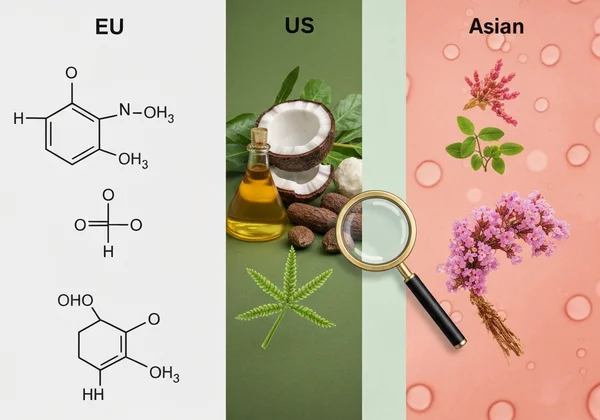
EU vs. US: Why Some Comedogenic Ingredients Are Banned Here, Not There
The European Union has one of the world's most stringent cosmetic safety standards, banning over 1,300 substances. In stark contrast, the US FDA has only banned about 11. This massive regulatory gap means you might find significant differences in formulations.
For example:
- Isopropyl Myristate: A known pore-clogger, this ingredient is often restricted in EU sunscreens but remains common in many American drugstore moisturizers.
- Coal Tar Dyes: Freely used in US hair products but banned in the EU due to potential health concerns.
- Fragrance Allergens: US products can contain higher concentrations of potential irritants.
These differences mean a "safe" product purchased in the US could contain EU-banned comedogenic ingredients. This is precisely why checking formulations internationally is so crucial for anyone with acne-prone skin.
Asian Market Regulations: Focus on Whitening vs. Acne Prevention
In many Asian markets, regulatory priorities are different. While Japan's Ministry of Health, Labour and Welfare maintains strict safety standards, the primary focus is often on regulating whitening agents like hydroquinone rather than pore-clogging compounds. Similarly, South Korea's Ministry of Food and Drug Safety champions innovation in texture and absorption, which can lead to:
- Higher usage of occlusive film-formers (like Acrylates Copolymer) in K-beauty essences.
- Frequent inclusion of plant-derived oils (camellia, sesame) that can have high comedogenic ratings.
- Novel emulsifiers with undocumented pore-clogging potential.
A 2022 study in the Journal of Cosmetic Dermatology found that 27% of popular Asian beauty products contained at least one high-risk comedogenic ingredient that wouldn't meet EU standards—unknown risks you can identify in seconds with an ingredient checker.
Top 5 Ingredients with Pore-Clogging Potential Across Regions
Coconut Oil: Superfood in Asia, Acne Trigger in North America
Rated as highly comedogenic (4 out of 5), coconut oil is a staple in many Southeast Asian beauty rituals. However, for acne-prone skin types, it’s a well-known breakout trigger. This cultural difference explains why so many travelers experience "vacation acne" after using hotel toiletries abroad.
Alcohol Denat.: Essential in European Formulas, Risky in American Skincare
European brands often use drying alcohols as emulsifiers in mattifying products designed for oily skin. In the US, however, many dermatologists caution against them for acne-prone skin, as they can strip the skin barrier and lead to rebound oil production. Many French pharmacy staples contain this potential pore-clogging ingredient, which a reliable acne ingredient checker flags immediately.
| Region | Common Pore-Cloggers | Local Perception |
|---|---|---|
| EU | Isopropyl Palmitate, Myristyl Myristate | Viewed as effective emulsifiers |
| US | Coconut Oil, Cocoa Butter | Marketed as "natural" moisturizers |
| Asia | Cottonseed Oil, Hydrogenated Vegetable Oil | Used to create luxurious textures |
How to Check International Products for Pore-Clogging Ingredients
Checking Japanese Labels: Decoding Kanji Ingredients
Decoding a Japanese ingredient list (成分表示) can feel impossible, but it's simpler than you think:
- Take a clear photo of the ingredients list.
- Use an app like Google Lens to translate the text to English.
- Paste the translated list into an online ingredient analysis tool.
- For best results, select an option for analyzing "Asian Beauty Products" if available.
Pro Tip: Be mindful of mistranslations like スクワラン (Squalane, which is safe) vs. Squalene (which is comedogenic). A robust checker will often correct these common errors automatically.
European INCI Names: When the Same Ingredient Has Different Names
European INCI (International Nomenclature of Cosmetic Ingredients) names can also be confusing. Here are a few to watch for:
- Cera Alba = Beeswax (Comedogenic Rating: 2)
- Paraffinum Liquidum = Mineral Oil (Rating: 1-3)
- Ceteareth-20 = A potent emulsifier (Rating: 4)
Don't let unfamiliar names fool you. You can paste any INCI list into a checker for an instant, clear-cut acne-risk assessment.
Case Studies: How Regional Variations Caused Unexpected Breakouts
From Paris to Portland: The French Moisturizer That Caused American Acne
Sophie, 27, used a popular French cream for years in Paris with clear skin. After moving to Oregon, she developed severe cystic acne along her chin. Frustrated, she investigated. An ingredient list analysis revealed the problem: the US version of her favorite moisturizer had been reformulated with cheaper, coconut-oil-derived ingredients and a higher concentration of isopropyl palmitate to suit a different market.
K-Beauty Favorites: Why Some Work for Western Skin, Others Don't
Snail mucin essences are a perfect example of how small formulation changes matter.
✅ Safe Example: COSRX Advanced Snail 96 Mucin Power Essence
→ Contains zero comedogenic ingredients.
❌ Risky Example: Some "creamy" snail formulas from other brands.
→ Often contain hidden triggers like Ethylhexyl Palmitate (Rating: 4).
The lesson? Always verify K-beauty products with an acne-safe formulation checker before you buy.
Your Passport to Pore-Safe Global Skincare
In our interconnected beauty market, understanding regional ingredient differences is no longer optional—it's essential for clear skin. Whether you're:
- Ordering French pharmacy products online.
- Stocking up on Japanese sunscreens during a trip.
- Trying a viral K-beauty import from TikTok.
One universal truth applies: pore-clogging risks hide in regulatory gaps and translation errors. Take control with science-backed verification. Analyze any international product now →

Frequently Asked Questions About Global Pore-Clogging Ingredients
Is pore-clogging ingredient labeling required in all countries?
No. Only the EU mandates a full INCI listing with concentration thresholds. US regulations permit "fragrance" as a catch-all term for potentially dozens of unlisted chemicals, while some Asian markets list ingredients by function rather than by concentration. This is why it's essential to check any formulation with an ingredient analyzer.
Why do some European products seem to contain ingredients that cause breakouts?
While the EU bans more ingredients overall, its regulations focus primarily on safety and toxicity, not comedogenicity. An ingredient can be perfectly safe for general use but still be a major pore-clogger for acne-prone individuals.
How can I check if my imported Asian beauty products are acne-safe?
- Photograph the ingredient list.
- Use a translation app to convert the text to English.
- Paste the text into a comedogenic ingredient checker.
- Look for tools that offer region-specific analysis for the most accurate results.
Are "natural" ingredients more likely to be comedogenic in certain regions?
Yes. For instance, Southeast Asian formulations often use higher concentrations of coconut oil and cocoa butter compared to European products. These popular "natural" oils happen to have some of the highest comedogenic ratings. Never assume natural equals safe for pores.
Do ingredient checkers work with international ingredient names?
A good checker should. A comprehensive database will cross-reference thousands of ingredients by their INCI names, common market aliases, scientific synonyms, and even brand-specific terminology to provide an accurate analysis no matter the origin. Analyze your global skincare products today →