Pore Clogging Checker Guide: Non-Comedogenic Skincare for Teens
Navigating the world of teen skincare can feel like a minefield for parents and teens alike. One minute, their skin is clear, and the next, it’s a battle against frustrating breakouts. You buy products labeled "for acne-prone skin," only to find they sometimes make matters worse. This constant cycle of trial and error is exhausting, expensive, and can take a toll on a teenager's confidence. But how to check if a product is pore clogging?
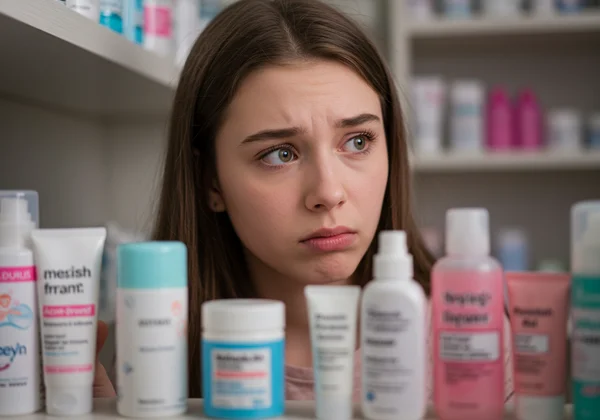
This guide is designed to cut through the confusion. We'll empower you with the knowledge to look beyond marketing claims and understand what truly helps or hurts your teen's skin. By learning to identify potential culprits in their skincare products, you can help them build an effective routine, prevent future breakouts, and embark on a journey to clearer, healthier skin. The first step is understanding the problem, and the solution is simpler than you think. You can start by using a free ingredient analysis to gain immediate clarity.
Navigating Teen Acne: Causes & Common Concerns
Before you can solve the problem, it’s essential to understand why teen skin is so uniquely challenging. It’s not just about washing their face more often; a complex mix of biological factors is at play. Understanding these root causes helps explain why certain products can be triggers and why a targeted approach is necessary for managing breakouts effectively.
Why Teen Skin is Unique: Hormones, Oil, and Sensitivity
During the teenage years, hormonal fluctuations go into overdrive. These hormones, particularly androgens, signal the skin's sebaceous glands to produce more oil, or sebum. While sebum is essential for keeping skin moisturized, an overproduction can lead to clogged pores. This oily environment becomes the perfect breeding ground for bacteria, leading to the inflammation, redness, and pimples that define teen acne. Furthermore, teen skin is often more sensitive and reactive, meaning harsh products can easily cause irritation, stripping the skin’s natural barrier and worsening the breakout cycle.
The Vicious Cycle: Product Choices & Breakout Frustration
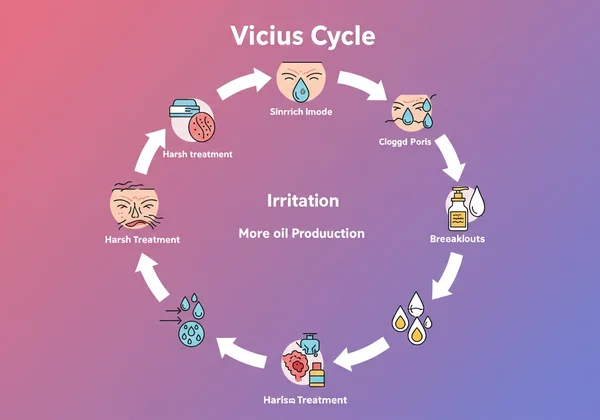
Here’s a scenario many parents recognize: you see a breakout, so you buy a strong, drying acne treatment. The product irritates the skin, which responds by producing even more oil to compensate. At the same time, you might be using a thick moisturizer or foundation that contains hidden pore-clogging ingredients. This combination of stripping treatments and comedogenic products creates a vicious cycle of frustration where your efforts to help inadvertently fuel the problem. Breaking this cycle requires shifting focus from harsh treatments to a gentle, consistent routine filled with properly vetted products.
Deciphering Skincare Labels: What "Non-Comedogenic" Really Means
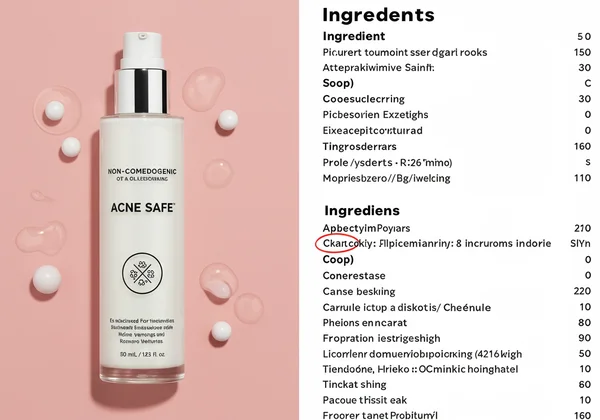
The skincare aisle is filled with promising labels: "non-comedogenic," "acne-safe," "won't clog pores." While these sound reassuring, they are often just marketing terms. There is no regulated standard or official testing required for a brand to use these phrases on its packaging. A product can contain one or two known pore-clogging ingredients and still be marketed as "non-comedogenic." This is why learning to look past the front of the bottle and analyze the ingredient list on the back is the most empowering step a parent can take.
Understanding Marketing vs. Science: Beyond "Acne Safe" Claims
True confidence in a product doesn't come from a label; it comes from understanding its formulation. The term "comedogenic" refers to an ingredient's tendency to block pores, and a scientific rating scale (typically 0-5) exists to measure this. An ingredient with a rating of 0 is considered non-comedogenic, while a rating of 5 is highly comedogenic. Instead of trusting a marketing claim, the most reliable method is to check each ingredient against a science-backed database. This approach removes brand bias and marketing fluff, giving you an objective look at what you’re putting on your teen's skin.
Key Ingredients Parents Should Monitor: The Common Cloggers
While hundreds of ingredients can potentially clog pores, a few common ones appear frequently in skincare, makeup, and even hair products. Being aware of these top offenders is a great starting point. Some well-known culprits include Coconut Oil, Isopropyl Myristate, Shea Butter, and certain algae extracts. Even some "natural" ingredients can be problematic for acne-prone skin. Memorizing them all is impossible, which is why having a reliable comedogenic ingredient checker is an invaluable tool for any parent.
Building a Simple & Effective Routine for Acne-Prone Teens
An effective skincare routine for teens doesn't need to be complicated or expensive. Consistency and the right products are key. A simple, foundational routine should include four core steps:
- Cleanse: Use a gentle, non-stripping cleanser twice a day to remove excess oil, dirt, and bacteria without irritating the skin.
- Treat (Optional): Apply a targeted treatment with ingredients like salicylic acid or benzoyl peroxide to active breakouts, as recommended by a dermatologist.
- Moisturize: Use a lightweight, oil-free, and non-comedogenic moisturizer to keep the skin hydrated. Dehydrated skin often produces more oil, so this step is crucial.
- Protect: Apply a broad-spectrum, non-comedogenic sunscreen every morning. Sun exposure can worsen inflammation and cause post-acne marks to darken.
Before you purchase any new product for this routine, check the ingredients to ensure it aligns with your teen's clear skin goals.
Your Secret Weapon: The Pore Clogging Checker Tool
Feeling overwhelmed? Don't be. You don't need to be a cosmetic chemist to make informed decisions. We created a simple, fast, and free tool to do the heavy lifting for you. The pore clogging checker is designed to give parents and teens immediate clarity and confidence. It cross-references your product's ingredient list with a comprehensive, science-based database of comedogenic substances, flagging any potential culprits in seconds.
Step-by-Step: Checking Your Teen's Products for Cloggers
Using the tool is incredibly easy. You can vet every product on your teen’s shelf—from their face wash to their foundation and even their conditioner—in just a few minutes. This simple audit can reveal surprising triggers and set you on the right path. Here's how it works:
- Copy the Ingredients: Find the full ingredient list on the product's packaging or website.
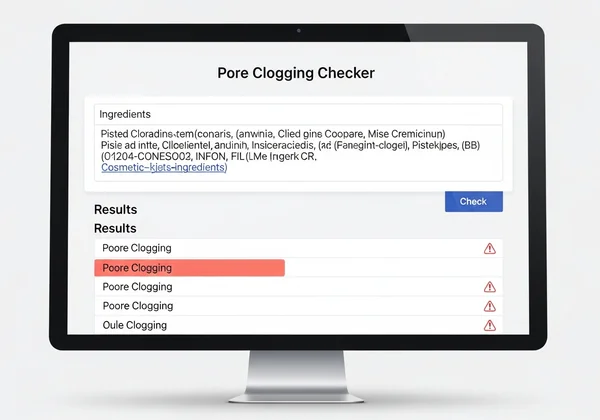
- Paste and Analyze: Visit our site and paste the entire list into the input box.
- Get Instant Results: Click "Check," and the tool will instantly highlight any recognized pore-clogging ingredients.
It's that simple. In less than a minute, you'll know if a product is truly safe for your teen's acne-prone skin.
Empowering Informed Decisions with Our Science-Backed Database
Our mission is to empower you with objective, unbiased information. Our acne ingredient checker isn't influenced by brands or advertisers. Our results are based on scientific studies and dermatological research into the comedogenicity of thousands of cosmetic ingredients. By using our tool, you are taking control of your teen's skincare journey, replacing guesswork and marketing hype with data-driven confidence. This knowledge allows you to build a routine that works with their skin, not against it.
Achieve Clearer Skin: Your Next Steps
Ready to ditch the guesswork and discover what's truly in your teen's skincare? Understanding ingredients is the key to breaking the breakout cycle and fostering lasting skin health.
Take control today. Visit our homepage, paste an ingredient list from any product, and instantly uncover potential pore-cloggers. Start using our free checker now to build a confidently acne-safe routine for your family.
Frequently Asked Questions About Teen Skincare & Clogged Pores
How can I check if a skincare product will clog my teen's pores?
The most reliable way is to analyze its full ingredient list. While labels like "non-comedogenic" are helpful, they aren't guaranteed. The easiest and most accurate method is to use an online tool like the Pore Clogging Checker. Simply copy and paste the ingredients to get an instant, unbiased analysis based on scientific data.
What ingredients are most commonly associated with clogging pores in teen skin?
Several ingredients are known offenders. Common examples include Coconut Oil, Isopropyl Myristate, Laureth-4, and certain fatty acids like Oleic Acid. Hair products containing heavy oils or butters, like Shea Butter, can also cause breakouts along the hairline and back. For a complete check, it's best to run the full ingredient list through a specialized checker tool.
Are "non-comedogenic" labels always trustworthy for teens with acne?
Unfortunately, no. The term "non-comedogenic" is not regulated by the FDA, meaning companies can use it without needing to provide proof. A product might be mostly non-comedogenic but still contain one or two problematic ingredients. Always verify the full ingredient list yourself with a reliable online tool to be certain.
How Our Pore Clogging Checker Helps Parents Choose Safer Products for Teens?
Our skincare ingredient checker acts as your personal skincare detective. It eliminates the guesswork and emotional frustration of choosing products by providing fast, free, and objective analysis. By pasting an ingredient list, you can instantly see if a product contains known pore-cloggers, allowing you to confidently select cleansers, moisturizers, sunscreens, and even makeup that won't sabotage your teen's skin. It empowers you to make informed decisions before you buy. Start your check now to build a truly acne-safe routine.
Disclaimer: The information provided in this article is for educational purposes only and should not be considered a substitute for professional medical advice, diagnosis, or treatment. Always seek the advice of a qualified dermatologist with any questions you may have regarding a medical condition.