Skincare Ingredient Interactions: Pore Clogging Combinations
Have you ever wondered why your skin breaks out even when you use expensive, high-quality products? You might spend hours reading reviews and buying "acne-safe" serums, yet your pores still feel congested. The problem might not be a single product. Instead, the issue often lies in the "skincare cocktail" you create on your face every morning and night.
Is your skincare routine actually causing your breakouts? When we layer multiple lotions, oils, and active treatments, the chemical ingredients don't just sit quietly on the skin. They interact. Sometimes these interactions are beneficial, but other times, they create new compounds that block your pores. This "hidden chemistry" in your bathroom can turn a good routine into a recipe for acne.

Understanding these interactions is the key to achieving clear skin. If you are tired of guessing which product is the culprit, you can analyze ingredients instantly. By using a dedicated tool, you can see if your favorite products contain hidden triggers that lead to blackheads and blemishes.
The Science of Skincare
The Science Behind Ingredient Synergy and Antagonism
In the world of chemistry, ingredients usually interact in two ways: synergy or antagonism. Synergy happens when two ingredients work together to become more effective. For example, Vitamin E and Vitamin C often work better as a pair than they do alone. They stabilize each other and provide better protection against sun damage.
Antagonism, on the other hand, is when ingredients clash. This can happen if one ingredient cancels out the benefits of another, or worse, if they combine to cause irritation. When irritation occurs, your skin often responds by producing more oil. This excess oil, mixed with the products on your skin, creates a "plug" in your follicle. This is how even "clean" products can lead to a clogged pore when used in the wrong combination.
Understanding How Skincare Ingredients Interact
To build a routine that works, we first need to understand that skincare is essentially chemistry applied to the body. Every bottle contains a complex list of preservatives, emulsifiers, actives, and solvents. When you apply a serum and then follow it with a moisturizer, those two formulas mix directly on your skin's surface.
Common Interactions That Increase Pore-Clogging Potential
Many people assume that if a product is labeled "non-comedogenic," it is safe forever. However, the comedogenic scale is usually tested on single ingredients, not complex layers of different brands. When you mix products, the pH level of your skin changes. A change in pH can make certain ingredients "stickier" or more likely to sink deep into the pore rather than staying on the surface.
Furthermore, some ingredients act as "penetration enhancers." These substances help active ingredients like Retinol dive deeper into the skin. While this may sound beneficial, penetration enhancers can also carry pore-clogging waxes or heavy oils deeper into your pores than they would typically go. This is why it is vital to check your routine for combinations that might be working against your skin's natural balance.

High-Risk Ingredient Combinations to Avoid
Not all ingredients play well together. If you are prone to acne, certain pairs are notorious for causing trouble. Recognizing these high-risk combinations can save you months of frustration and skin damage.
Oil + Silicones: The Double Threat to Pores
One of the most common mistakes is mixing heavy natural oils with silicone-based primers or foundations. Silicones, like Dimethicone, are often used to create a smooth, "blurred" look on the skin. They form a breathable barrier. However, if you apply a facial oil underneath a heavy silicone product, that barrier can become a trap.
The silicone "seals" the oil against the skin. While this can be hydrating for someone with very dry skin, for those with acne-prone skin, it creates a greenhouse effect. Sweat, bacteria, and the oil itself get trapped under the silicone layer. This mixture is a primary cause of whiteheads and "maskne." If you use both, it is important to verify the safety of the specific formulas you are using together.
AHAs/BHAs with Certain Preservatives: When Exfoliation Becomes Irritation
Exfoliating acids like Salicylic Acid (BHA) and Glycolic Acid (AHA) are great for clearing pores. However, they are very sensitive to pH levels. Many creams contain preservatives that are stable at a neutral pH. When you apply a strong acid and immediately follow it with a cream, the acid can break down the preservatives in that cream.
When preservatives break down prematurely, they can release irritating byproducts. Irritated skin becomes inflamed, and inflammation is the first step in the development of an acne lesion. If your skin feels hot or looks red after layering your products, your ingredients might be reacting poorly. You should always test your products to ensure they aren't hiding these reactive triggers.
Vitamin C and Niacinamide: Separating Fact from Fiction
There has been a long-standing debate about whether Vitamin C (Ascorbic Acid) and Niacinamide can be used together. Old research suggested they might react to form "Nicotinic Acid," which causes temporary skin flushing. While modern formulations are much more stable, using high concentrations of both at the same time can still be tricky for sensitive skin.
If the combination causes irritation for your specific skin type, the resulting inflammation can lead to "pressure" in the pores, making it easier for them to clog. If you want the benefits of both, many experts suggest using Vitamin C in the morning and Niacinamide at night. To be sure your specific brands are safe, you can check ingredients online before you apply them.
Creating Safer Skincare Combinations
You don't have to throw away all your products to avoid breakouts. Often, the secret to clear skin isn't what you use, but how and when you use it. By following a few simple rules of "skincare logic," you can minimize the risk of pore-clogging interactions.
The Layering Sequence That Matters
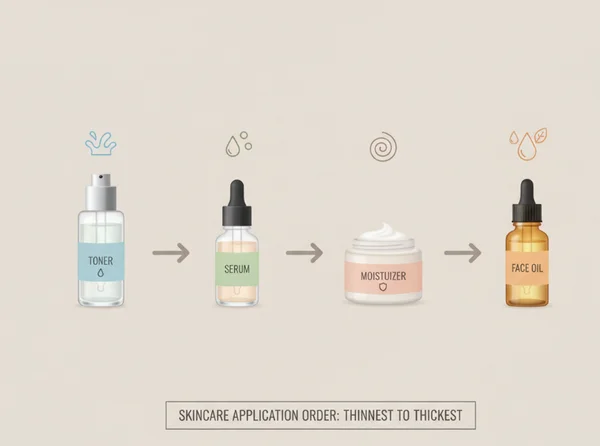
The general rule of thumb for skincare is to apply products from "thinnest to thickest." You start with water-based products (like toners and serums) and finish with oil-based or heavy products (like moisturizers and face oils).
Why does this matter for your pores? If you apply a thick cream first, a thin serum cannot penetrate it. The serum then sits on top of the cream, creating a sticky film. This film can attract dirt and debris from the air more easily. This film can quickly become a pore-clogging mess. When you layer products correctly, each one gets absorbed properly. This reduces the "leftover" residue that can lead to acne breakouts.
Building a Pore-Friendly Routine: Ingredient Pairing Guide
When building your routine, try to pair ingredients that have a "common goal."
- For Hydration: Pair Hyaluronic Acid with Ceramides. They work together to lock in moisture without blocking the pore.
- For Acne Prevention: Pair Salicylic Acid with soothing ingredients like Green Tea or Centella Asiatica to prevent the irritation that leads to more oil production.
- For Brightening: Pair Vitamin C with Vitamin E and Ferulic Acid.
Before you start a new pairing, it is a smart idea to use a checker to confirm that no single ingredient in either product is known to cause comedogenic reactions.
When to Use Products Separately: Timing Your Application
Sometimes, the best way to handle two powerful ingredients is to keep them apart. This is called "skin cycling" or "day/night splitting." For example, Retinol and Benzoyl Peroxide are both excellent for acne, but using them at the exact same time can be extremely drying and irritating.
Instead of layering them, use Benzoyl Peroxide as a spot treatment in the morning and Retinol at night. This gives your skin time to recover between active treatments. This approach reduces the chemical load on your skin at any one time, significantly lowering the chance of a breakout-causing reaction. If you are unsure which of your products are the most "active," you can analyze your list to see the full breakdown of what is in your bottles.
Your Next Steps
Clear skin isn't just about finding the right products—it's about making sure they work together harmoniously on your skin. By understanding how ingredients interact and following the layering principles we've discussed, you're already taking control of your skincare journey.
The "hidden chemistry" in your bathroom doesn't have to be a mystery. You don't need a degree in science to protect your pores. By understanding the basics of layering and being mindful of high-risk combinations, you are already ahead of the game. However, because every formula is unique, the safest way to prevent acne is to be proactive.
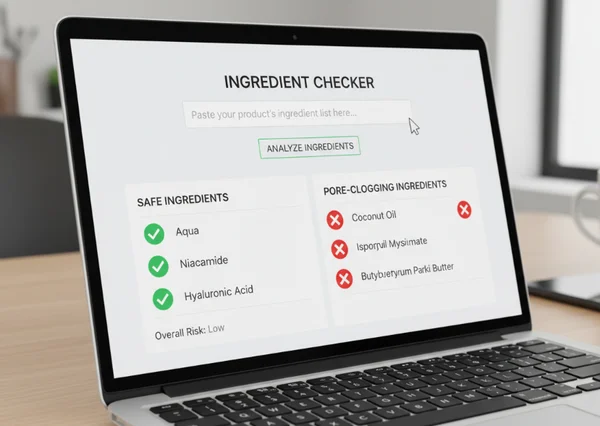
Take a moment to look at the bottles on your counter. Are you sure they are safe for your skin type? Don't wait for another breakout to happen. You can start your test right now by pasting your product's ingredients into our free tool. It’s the fastest way to unveil the hidden culprits in your routine and finally achieve the clear skin you deserve.
Frequently Asked Questions
Can I use retinol and vitamin C together?
It is generally better to use them at different times of the day. Vitamin C works best in the morning to protect against environmental damage, while Retinol is most effective at night for skin repair. Using them together can sometimes cause irritation, which may lead to breakouts.
Why do some ingredients work fine alone but cause problems when combined?
This usually happens because of "chemical synergy." Two ingredients might be perfectly fine on their own, but when mixed, they can create a new texture that is "stickier" or heavier, making it more likely to clog pores. Changes in pH levels can also make certain ingredients more irritating when they are combined.
How long should I wait between applying different skincare products?
A good rule is to wait about 30 to 60 seconds between layers, or until the product feels "absorbed" and not wet. This prevents the products from mixing too much on the surface and helps each layer perform its specific job.
Are there any ingredients that should never be combined?
You should generally avoid mixing copper peptides with Vitamin C, or using multiple strong exfoliating acids at the same time. These combinations often lead to extreme irritation. When the skin is irritated, it produces more sebum (oil), which is the primary fuel for acne and clogged pores.
How can I tell if my skincare routine has problematic interactions?
Watch for signs like "pilling" (when the product balls up on your skin), excessive redness, a stinging sensation, or a sudden increase in small whiteheads. If you see these signs, your products might be clashing. Analyzing each product’s ingredient list for known pore-cloggers is a great way to confirm your suspicions.
Disclaimer: This article is for informational purposes only and does not constitute professional medical advice. Always consult with a dermatologist before starting a new skincare regimen or if you have persistent skin concerns.