Spot Pore-Clogging Ingredients in Makeup
We've all been there. You carefully apply your favorite foundation, concealer, and powder, feeling confident—only to discover new breakouts hours or days later. It's a frustrating cycle that can make you feel like you have to choose between wearing makeup and having clear skin. But what if the problem isn't the makeup itself, but hidden ingredients within it?
Here's what many people don't realize: even the most popular cosmetics often contain ingredients that can clog your pores, leading to blackheads, whiteheads, and acne. Let's uncover these hidden troublemakers together. I'll show you exactly what to look for so you can make smarter choices for your skin. If you're tired of guessing, our free ingredient checker can give you instant clarity on any product.
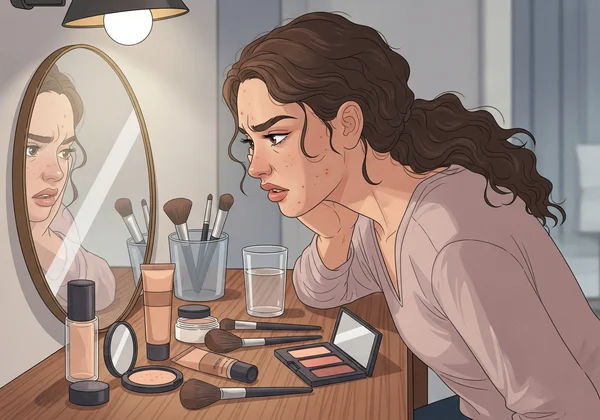
Why Your Makeup Might Be Causing Breakouts
It's easy to blame your skin type or hormones for every pimple, but your makeup bag could be a major contributor. When certain ingredients mix with your skin's natural oils and dead skin cells, they can create plugs inside your pores. This is the perfect environment for acne bacteria to thrive, resulting in inflammation and breakouts.
The good news? You don't have to choose between makeup and clear skin. Instead, you just need to become a more informed consumer. By understanding which ingredients are problematic, you can confidently choose products that enhance your beauty without compromising your skin's health.
Understanding Comedogenic Ingredients in Cosmetics
The term "comedogenic" comes from "comedo," which is the scientific name for a clogged pore. A comedogenic ingredient is one that has a tendency to block pores. These substances are often found in cosmetics because they can help create a smooth texture or provide long-lasting wear.
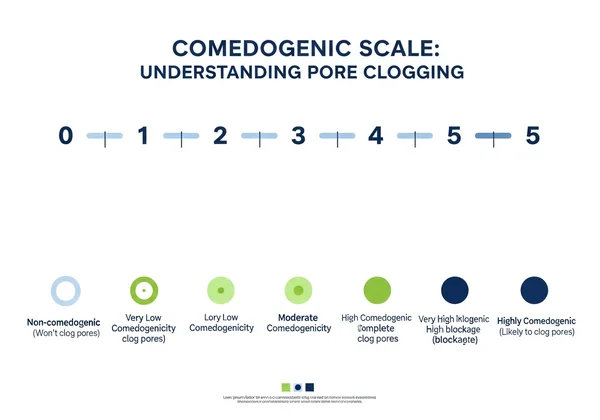
Scientists rate ingredients on a comedogenic scale from 0 to 5.
- 0: Won't clog pores.
- 1-2: Low likelihood of clogging pores.
- 3: Moderate likelihood.
- 4-5: High likelihood of clogging pores.
While this scale is helpful, remember that everyone's skin is different. An ingredient with a high rating might not affect you, while a low-rated one could cause issues. The concentration of the ingredient in the formula also matters.
The Difference Between "Non-Comedogenic" Claims and Reality
You’ve probably seen the "non-comedogenic" label on many products. This term suggests the product has been formulated to avoid causing pore blockages. However, this claim is not regulated by organizations like the FDA. Brands can use it without needing to provide specific proof.
Some "non-comedogenic" products may still contain ingredients that are problematic for sensitive or acne-prone skin. This is why learning to read ingredient lists for yourself is so powerful. Instead of relying on marketing claims, you can make an educated decision based on the actual formula. To quickly verify a product's formula, you can check the ingredients with our simple tool.
Top Pore-Clogging Ingredients to Watch in Makeup Products
Navigating ingredient lists can feel like reading a foreign language. To make it easier, we've highlighted some of the most common pore-clogging offenders found in everyday makeup products. Knowing what to look for is the first step toward building an acne-safe makeup routine.
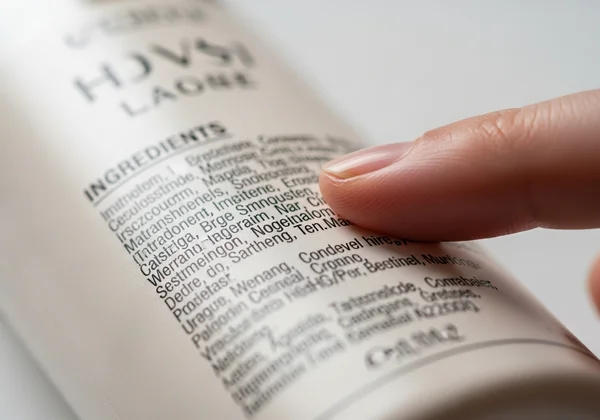
Common Foundation Ingredients That Clog Pores
Foundations are a frequent source of breakouts because they cover large areas of skin for extended periods. Certain oils, thickeners, and pigments in foundations can be highly comedogenic.
Here are a few to watch out for:
- Isopropyl Myristate: A synthetic oil used to make products feel less greasy, but it has a high comedogenic rating.
- Lanolin Alcohol (and its derivatives): While moisturizing, lanolin is a well-known pore-clogger for many people.
- Laureth-4: Often used as an emulsifier, it scores high on the comedogenic scale.
- Coconut Oil (Cocos Nucifera Oil): Loved in skincare but notorious for clogging pores in its pure form, especially on the face.
Hidden Comedogenic Ingredients in Concealers and Powders
Concealers and powders often contain similar ingredients to foundations, but their thicker consistency can sometimes mean a higher concentration of pore-clogging agents.
Be cautious of these ingredients:
- Ethylhexyl Palmitate: A common alternative to silicone, it gives a slippery feel but can be highly comedogenic.
- Myristyl Myristate: An emollient that creates a rich, creamy texture but is also known to block pores.
- Talc: While not universally comedogenic, some lower-grade talc can be contaminated or cause issues for very sensitive skin.
Surprising Makeup Ingredients with High Comedogenic Ratings
Some ingredients seem harmless or are even marketed as beneficial, yet they can be problematic for acne-prone individuals. It's often these surprising culprits that cause the most confusion.
For example, certain algae extracts and even some natural butters can be highly comedogenic. Carrageenan, derived from seaweed, is a common thickener in cosmetics that can trigger inflammation and clogged pores in some people. Don't let a "natural" label fool you; it's always best to investigate the specific ingredients. Unsure about an ingredient? Use our free tool to analyze it.
How to Read Makeup Ingredient Labels Like a Pro
Once you know which ingredients to avoid, the next step is learning how to find them on a product label. This skill empowers you to assess any product before you buy it, saving you from potential breakouts and wasted money.

Decoding Ingredient Lists: Order Matters
In most countries, ingredients must be listed in descending order of concentration. The ingredient with the highest amount in the formula is listed first, followed by the next highest, and so on. Ingredients that make up less than 1% of the product can be listed in any order at the end.
This rule is incredibly useful. If you see a known pore-clogging ingredient listed in the top five, it's a significant part of the formula and poses a higher risk. If it's at the very bottom of the list, the risk is much lower—though not zero.
Recognizing Pore-Clogging Ingredients by Their Scientific Names
Brands use the International Nomenclature of Cosmetic Ingredients (INCI) for their labels. This means you'll see scientific names like "Tocopherol" instead of "Vitamin E" or "Cocos Nucifera Oil" instead of "Coconut Oil."
It can be tough to memorize all these names. A great strategy is to create a small "blacklist" of your top 5-10 known triggers. When you're shopping, you can quickly scan for them. For a more comprehensive analysis, pasting the full list into an online pore clogging checker is the fastest and most reliable method.
Acne-Safe Makeup Alternatives and Swaps
Finding makeup that doesn't cause breakouts doesn't have to be a chore. With a little knowledge, you can easily find fantastic alternatives that will keep your skin clear and happy. The goal is to choose formulas that are just as effective without the risky ingredients.
Foundation Brands with Proven Non-Comedogenic Formulas
While we maintain an unbiased stance, many brands now focus on creating "acne-safe" lines. Look for brands that are transparent about their formulas and avoid common irritants. Mineral-based foundations are often a good starting point, as they typically contain fewer ingredients like oils, waxes, and synthetic binders.
However, always remember to check the full ingredient list. Some mineral makeups can contain Bismuth Oxychloride, which can cause irritation and cystic acne in some individuals. The key is to check every product, every time.
Ingredient Swaps for Healthier Makeup Choices
Empower yourself by looking for beneficial ingredients instead of just avoiding bad ones. When you find a product with a pore-clogging ingredient, look for a similar product that uses a safer alternative.
For example:
- Instead of foundations with heavy oils like Isopropyl Myristate, look for those using lighter, non-comedogenic oils like Squalane or Jojoba Oil.
- Instead of silicone-like textures from Ethylhexyl Palmitate, opt for products that use Dimethicone, which is generally considered non-comedogenic.
By making these simple swaps, you can build a makeup collection that actively supports your clear skin goals. A quick product analysis can help you compare two ingredient lists side-by-side to make the best choice.
Take Control of Your Skin's Health
Your journey to clear skin doesn't require you to abandon makeup. It requires awareness. By understanding the link between certain ingredients and breakouts, you can take control of your beauty routine and finally end the cycle of applying makeup only to treat the acne it causes.
Remember these key takeaways:
- "Non-comedogenic" is a marketing term, not a guarantee. Always check the full ingredient list yourself.
- Ingredient order matters. A problematic ingredient at the top of the list is a bigger red flag than one at the bottom.
- Knowledge is power. Recognizing just a few common pore-clogging ingredients can save your skin from a lot of trouble.
Feeling overwhelmed? You don't have to become a cosmetic chemist overnight. To unveil the hidden culprits in your own makeup, copy the ingredient list from any product and paste it into our free, unbiased analysis tool.
Start your clear skin journey today. Try our free tool and discover what's really in your makeup.
Frequently Asked Questions About Pore-Clogging Makeup Ingredients
Is mineral makeup safer for acne-prone skin?
Generally, mineral makeup can be a safer choice because it often has a shorter ingredient list and lacks the heavy oils and waxes found in many liquid formulas. However, some people may react to ingredients like Bismuth Oxychloride or mica. It's always best to check the specific formula.
How do you know if a product is truly non-comedogenic?
The only way to be confident is to analyze the ingredient list. While no product is 100% guaranteed to not cause breakouts for everyone, you can significantly reduce your risk by avoiding ingredients with a high comedogenic rating. Our website provides a simple way to check your product against a comprehensive database.
Can certain makeup ingredients cause breakouts even if I don't have acne?
Yes. Even if you have "normal" skin, a high concentration of a highly comedogenic ingredient can still lead to clogged pores and occasional pimples. Consistent use of such products can create skin issues where there were none before.
How often should I check my makeup ingredients for pore-clogging substances?
You should check any new product before you buy or use it for the first time. It's also a good idea to periodically re-check your trusted favorites. Brands sometimes reformulate their products without announcing it, so a product that was once safe might contain a new, problematic ingredient.